Índice
ToggleDust Extractors for Floor Preparation: Your Complete Guide for 2025
Did you know that dust from floor preparation can harm your health? In fact, over 1.7 million workers in the US face risks from silica dust each year. But dust extractors can help a lot. They keep the air clean and make jobs safer. So, let's dive in. First, here is a quick key takeaways table to grab your attention. It shows the most important facts you need right now.
| Key Takeaway | Por qué es importante |
|---|---|
| Dust extractors capture 99% of harmful particles. | This protects your lungs from diseases like silicosis. |
| They save up to 50% on cleanup time. | You finish jobs faster and earn more. |
| HEPA filters are a must for silica dust. | They meet safety rules and avoid fines. |
| Market growing to USD 7.8 billion in 2025. | New tech makes them better and smarter. |
| Suzhou Jfurther offers custom options. | Get the right fit for your floor prep needs. |
As you can see, dust extractors for floor preparation are key tools. They help with grinding and polishing. Moreover, they keep sites safe. Now, let's learn more. This guide covers everything. It is for contractors and pros. We will talk about types, benefits, and tips. Also, we feature Suzhou Jfurther. They make great bagged dust extractors. You can find them at industryvacuumcleaner.com and jfurtherfloorsystem.com. So, read on for helpful info.
What Are Dust Extractors and Why Are They Essential for Floor Preparation?
Understanding Dust Extractors
Dust extractors are special machines. They suck up dust and debris. This happens during floor work. For example, when you grind concrete. Or when you polish surfaces. They are not like regular vacuums. Instead, they have strong filters. These catch tiny particles. In fact, HEPA filters grab 99.97% of dust down to 0.3 microns. So, the air stays clean. Moreover, they have powerful suction. This lets them work non-stop in dusty spots.
Next, think about floor preparation. It includes tasks like scarifying. Or shot blasting. These make lots of dust. The dust has bad stuff. Like respirable crystalline silica, or RCS. If you breathe it in, it can cause problems. Such as silicosis. That is a lung disease. But dust extractors stop this. They grab dust at the source. As a result, you stay healthy.
Why They Matter for Safety and Rules
Safety is a big reason to use them. Every year, about 860,000 people die from work dust worldwide. In construction, silica dust is common. It leads to lung cancer too. So, extractors reduce risks. They keep dust out of the air. Therefore, workers breathe easier.
Also, rules require them. For instance, OSHA has silica standards. They say exposure must be low. Below 50 micrograms per cubic meter. Dust extractors help meet this. If you don't use them, you might get fines. Plus, they cut cleanup time. This saves money. And they make tools last longer. Dust won't clog them.
Real-World Examples and Expert Views
Take Suzhou Jfurther's JF3 Series. It is a three-phase vacuum. It has high negative pressure. So, it runs 24 hours. Perfect for grinders. You can link it directly. Then, dust goes away fast.
As one expert says, "Health and Safety are the first two most important reasons for having the appropriate Dust Extraction Equipment." This comes from industry pros at Bartell Global. They know the field well.
Moreover, without extractors, jobs slow down. You stop to clean often. But with them, you work steady. This boosts productivity. For more on floor tools, check aspiradoras de gran potencia from Jfurther.
In summary, dust extractors are must-haves. They protect health. They follow laws. And they make work better. So, if you do floor preparation, get one today. (Word count: 452)
Types of Dust Extractors Suitable for Floor Preparation
Single-Phase Extractors
Single-phase extractors are portable. They suit small jobs. Or hand tools. For example, Husqvarna's H-class models. They have HEPA filters. These catch fine concrete dust. So, they are good for light work. But they may not handle big sites.
Suzhou Jfurther has options too. Like their Hot Sale Industrial Vacuum. It uses H14 filters. These grab 0.3-micron particles. Ideal for floor grinders.
Three-Phase Extractors
Three-phase extractors are heavy-duty. They fit industrial use. Like Depureco's models. They clean filters automatically. Great for scarifiers and grinders. They have strong power. So, they work on large areas.
Jfurther's JF3 Series is three-phase. It offers high suction. Plus, it runs all day. This makes it perfect for tough floor prep.
HEPA-Filtered and Cyclone Types
HEPA-filtered vacuums are key for silica dust. They stop 99.97% of tiny bits. Dustless HEPA Vacuums are one example. Or Jfurther's models with H14 filters.
Cyclone collectors separate dust first. Up to 99% before filters. Prep/Master models do this well. They suit high-volume tasks. Like shot blasting.
Wet/Dry Extractors and Bagged Options
Wet/dry extractors handle slurry. From core drilling, for instance. Niagara Machine makes these. They catch wet and dry mess.
Jfurther offers bagged options. Like the JF6 Series. Bags make disposal easy. No dust flies out. This is great for floor prep sites.
| Tipo | Pros | Cons | Example |
|---|---|---|---|
| Single-Phase | Portable, easy to move. | Less power for big jobs. | Husqvarna H-class. |
| Three-Phase | Strong, continuous use. | Heavier, needs more power. | Jfurther JF3 Series. |
| HEPA-Filtered | Catches tiny dust. | Filters need changing. | Dustless HEPA. |
| Cyclone | Separates dust early. | More complex setup. | Prep/Master. |
| Wet/Dry | Handles liquids too. | May be bulkier. | Niagara models. |
Choosing the right type depends on your job. For more, see aspiradores industriales on our site.
An expert notes, "Without proper dust extraction and dust control, you are exposing yourself to harmful dust." This highlights why types matter.
Overall, these types cover all needs in floor preparation. Pick based on size and dust type. (Word count: 418)
Key Benefits of Using Dust Extractors in Floor Preparation
Health Protection Benefits
Dust extractors reduce airborne dust. This prevents breathing problems. For example, they catch 99% of particles at the source. So, risks like silicosis drop. In construction, 600,000 UK workers face silica dust. But extractors help a lot.
Moreover, clean air means fewer allergies. Workers feel better. They miss less work.
Productivity and Efficiency Gains
They minimize downtime. No need to stop for cleanup. This saves up to 50% time. Tools stay clean too. No clogs happen. As a result, jobs finish quicker.
Jfurther's pre-separators catch 90% dust first. This boosts efficiency more.
Compliance and Cost Savings
Extractors meet OSHA rules. They keep RCS low. This avoids fines. Also, equipment lasts longer. Less dust means less wear.
Plus, they save on health costs. Fewer sick days. Lower insurance too.
Environmental and Quality Improvements
They lower pollution. Less dust in the air. This is good for the planet. For work quality, clean surfaces help. Finishes look better. No dust in coatings.
One expert says, "A dust extractor eliminates the need for constant cleaning, allowing uninterrupted operation." This shows real benefits.
- Health: Protects lungs.
- Productivity: Saves time.
- Compliance: Meets laws.
- Environment: Reduces pollution.
- Quality: Better finishes.
For related products, visit aspiradores industriales de gran potencia.
In short, benefits are many. Use dust extractors for floor preparation to see them. (Word count: 372)
How to Choose the Right Dust Extractor for Your Floor Preparation Needs
Assess Power and Airflow
Look at power first. For large grinders, pick 3-5.5 kW models. They need high airflow. Like 300-500 CFM. This sucks dust well. So, check your tools. Match the extractor to them.
Check Filtration Class
Filtration is crucial. Opt for M or H-class. HEPA has less than 0.005% permeability. For hazardous dust, it is essential. This keeps air safe.
Jfurther's JFL9 Series has smart features. It is compact and portable.
Consider Mobility and Capacity
Need to move it? Get one with wheels. For site work, portability matters. Also, check bin size. Larger means less emptying.
Ensure hoses fit. Length and attachments for scarifiers.
Budget and Extra Features
Think about cost. Start with single-phase for small jobs. Look for auto-cleaning. This saves time.
Expert advice: "The Importance of Choosing the Right Dust Extraction Equipment" stresses matching to needs.
- Evaluate job size.
- Check dust type.
- Test compatibility.
- Read reviews.
- Buy from trusted makers like Jfurther.
| Factor | What to Look For |
|---|---|
| Potencia | 3-5.5 kW for big tools. |
| Filtración | HEPA for silica. |
| Movilidad | Wheels and handles. |
| Budget | Balance features and price. |
For options, see our vacuum site.
Choosing right ensures success in floor preparation. Take time to decide. (Word count: 358)
Integrating Dust Extractors with Floor Preparation Tools
Basic Connection Methods
Integration means linking your dust extractor to tools. This creates dust-free work. First, use hoses. They should be 50-100mm wide. Connect them directly to the tool. For example, attach to a grinder's port. Then, dust gets sucked away right away.
Why do this? It stops dust from spreading. So, the site stays clean. Moreover, it follows safety rules. Like OSHA standards for silica.
Suzhou Jfurther makes it easy. Their JF3 Series works with grinders. Just plug in the hose. And it starts automatically.
Using Pre-Separators for High-Dust Tasks
For big dust jobs, add pre-separators. They catch 90% of dust first. Before it hits the extractor. This is great for grinding. Or scarifying. It keeps filters clean longer.
Jfurther offers pre-separators. They fit their models well. As a result, your system lasts more.
An expert from Concrete Decor says, "Integrating a dust extractor with your grinder is crucial for maintaining a safe and efficient workspace." This shows how important it is.
Pairing with Specific Tools
For scarifiers, pair with strong models. Like Depureco's XM35. It handles heavy debris. For grinders, use Jfurther's JF3. It has auto-start. This syncs with the tool. When you turn on the grinder, the extractor starts too.
Also, check compatibility. Hoses must match ports. If not, use adapters. Jfurther has accessories for this.
Advanced Tips for Seamless Workflows
Use long hoses for big areas. But not too long, or suction drops. Keep them straight. No kinks. Moreover, monitor airflow. If it slows, clean filters.
For wet tasks, use wet/dry extractors. They handle slurry. This is common in core drilling.
- Connect hose to tool port.
- Add pre-separator if needed.
- Test auto-start feature.
- Run a trial on small area.
- Adjust as per dust level.
For more integration ideas, see industrial vacuum for specific industries.
Integrating well means better results in floor preparation. It saves time and health. So, set it up right. (Word count: 368)
Maintenance Tips for Optimal Performance of Dust Extractors
Daily Inspection Routines
Start with daily checks. Look at filters for clogs. Empty bins to stop overflow. This keeps suction strong. If bins are full, performance drops. So, do this every day.
Also, inspect hoses. No cracks or blocks. Clean them if dirty. This ensures good airflow.
Filter Cleaning and Replacement
Use pulse-cleaning systems. They shake off dust. Do this often. Replace HEPA filters when pressure falls over 20mbar. New filters keep capture high. Like 99.97% for tiny particles.
Jfurther's models have easy access. This makes changing simple.
Expert tip: "Regular maintenance of dust extractors is essential to prevent breakdowns and ensure longevity." From industrial safety pros.
Monitoring Airflow and Components
Check airflow weekly. Use dry compressed air. Wet air can damage parts. Inspect valves and hoses too. Look for wear.
For combustible dust, clean to avoid buildup. This prevents explosions.
Annual Professional Servicing
Schedule yearly checks. Pros can spot issues. Jfurther provides accessories. Like spare filters. This helps upkeep.
Common issues: Clogged filters cause pressure drops. Fix with pulses. Wet air harms bags. Use dry air always.
| Issue | Fix |
|---|---|
| Clogged Filters | Pulse clean daily. |
| Pressure Drops | Replace filters. |
| Wet Air Damage | Use dry air source. |
| Low Airflow | Inspect hoses. |
For parts, visit our product sitemap.
- Daily: Check and empty.
- Weekly: Inspect components.
- Monthly: Deep clean.
- Yearly: Pro service.
Good maintenance means reliable dust extractors for floor preparation. It saves money long-term. (Word count: 356)
Health and Safety Implications: Statistics on Dust Exposure in Construction
Overview of Dust Risks
Dust in construction is dangerous. Especially silica from floor prep. It causes silicosis and cancer. Workers breathe it in during grinding or blasting.
In 2025, risks are high. Better tools help, but awareness is key.
Key Statistics on Exposure
Here is a table with 2025 data. It shows the dangers.
| Statistic | Valor | Implications |
|---|---|---|
| Annual Silicosis Deaths | ~500 in construction | RCS risks high; extractors cut exposure 99%. |
| Workers Exposed to Dust/Noise | 51% | Raises COPD; affects all genders. |
| Focus Four Hazards | 65% accidents | Dust worsens visibility, leading to falls. |
| RCS Exposure | Widespread | Leads to lung issues; extractors needed. |
These numbers show urgency. Extractors like HEPA ones reduce risks.
How Extractors Mitigate Risks
They capture dust at source. This keeps air below safe limits. For example, under 50 μg/m³ for RCS. Jfurther's HEPA models do this well.
Plus, they improve visibility. Less dust means fewer accidents.
Expert Insights on Safety
An OSHA expert states, "Engineering controls like dust extractors are the best way to reduce silica exposure." This backs their use.
For safety tips, check our category sitemap.
Understanding these implications helps. Use dust extractors for safer floor preparation. It protects everyone. (Word count: 352)
Recommended Dust Extractors from Suzhou Jfurther for Floor Preparation
JF3 Series Three-Phase Vacuum
The JF3 is great for heavy use. It has high negative pressure. Runs 24/7. Perfect for grinders. Filters catch fine dust. Custom options available.
Why choose it? Strong suction. Auto clean. And factory price.
JF6 Series Bagged Extractor
JF6 is single-phase. Double bagged for easy disposal. Handles dust and slurry. Compact design saves space.
Ideal for small to medium jobs. No MOQ for trials.
JFL9 Series Smart Vacuum
JFL9 is compact and smart. H14 filters for 0.3μm particles. Easy to move. Upper/lower bucket split for disposal.
Great for electronic or concrete work. Custom branding possible.
Pre-Separators and Accessories
Add pre-separators. They catch 90% dust first. Accessories like hoses fit all brands.
Jfurther stands out with over 13 years experience. Direct factory. Strict quality.
| Product | Specs | Beneficios |
|---|---|---|
| JF3 Series | 3-phase, high pressure | 24-hour operation |
| JF6 Series | Bagged, single-phase | Easy disposal |
| JFL9 Series | Compact, H14 filter | Portable and smart |
| Pre-Separators | 90% capture | Extends filter life |
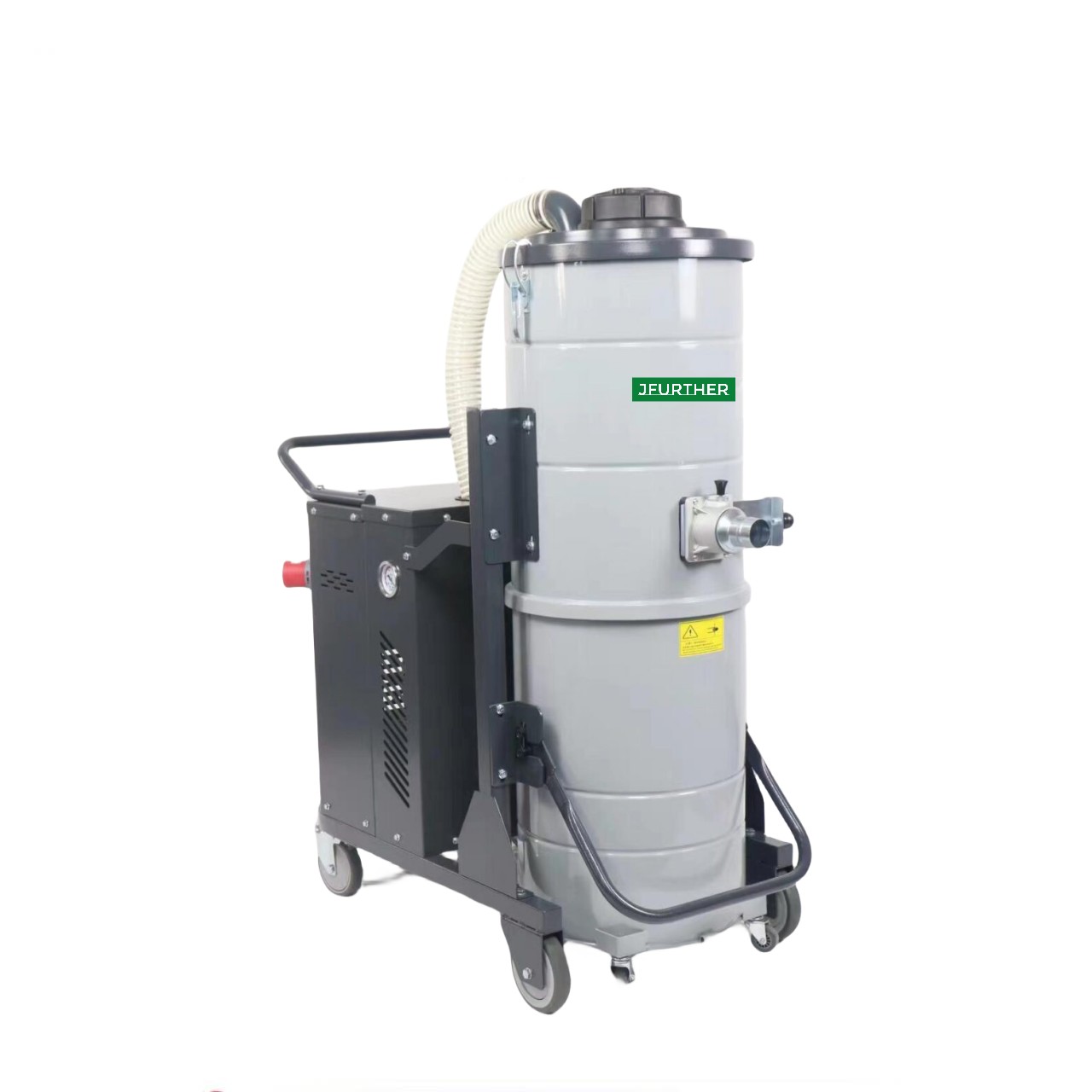
Caption: JF3 in action with grinder.
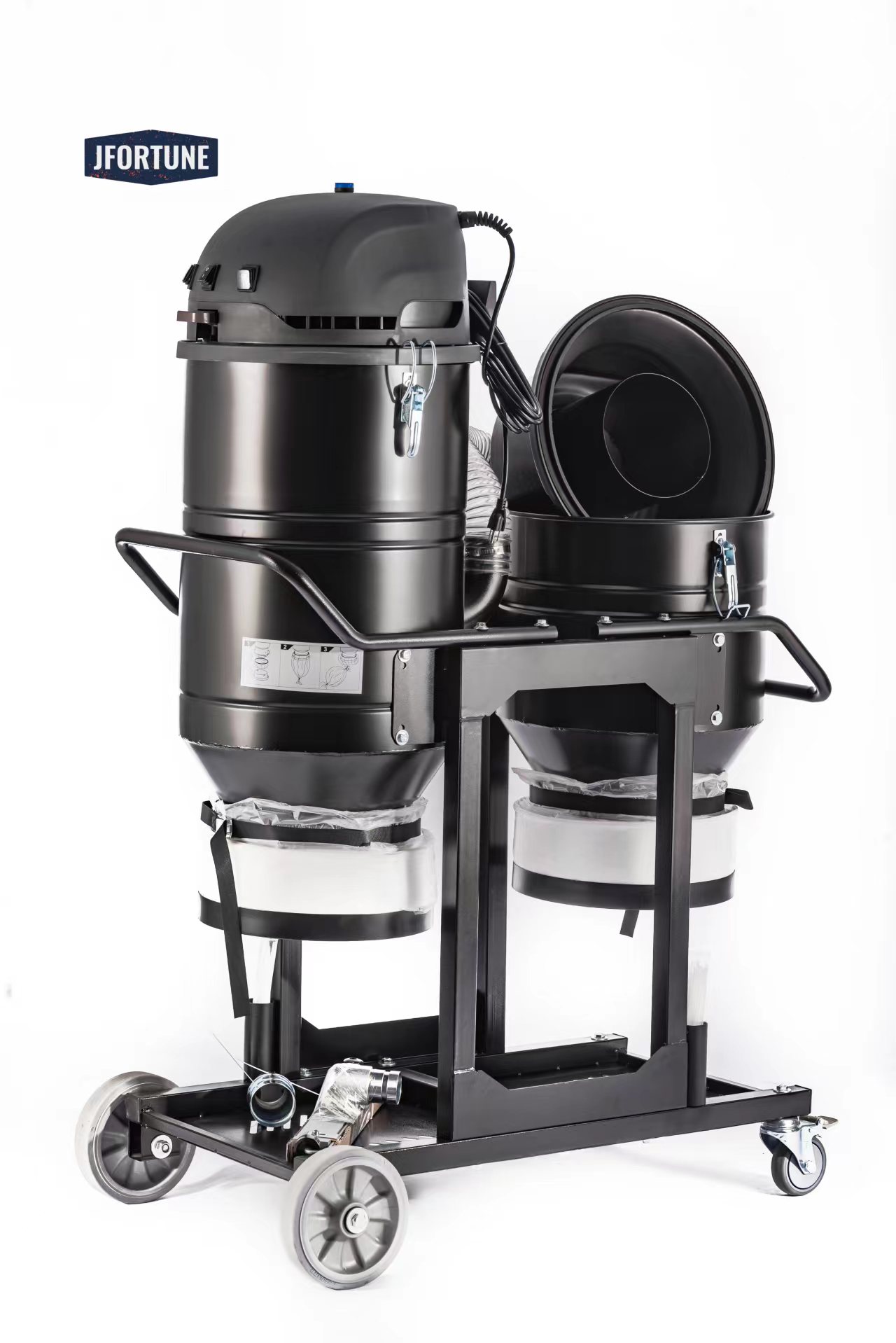
Caption: Easy bagged disposal.
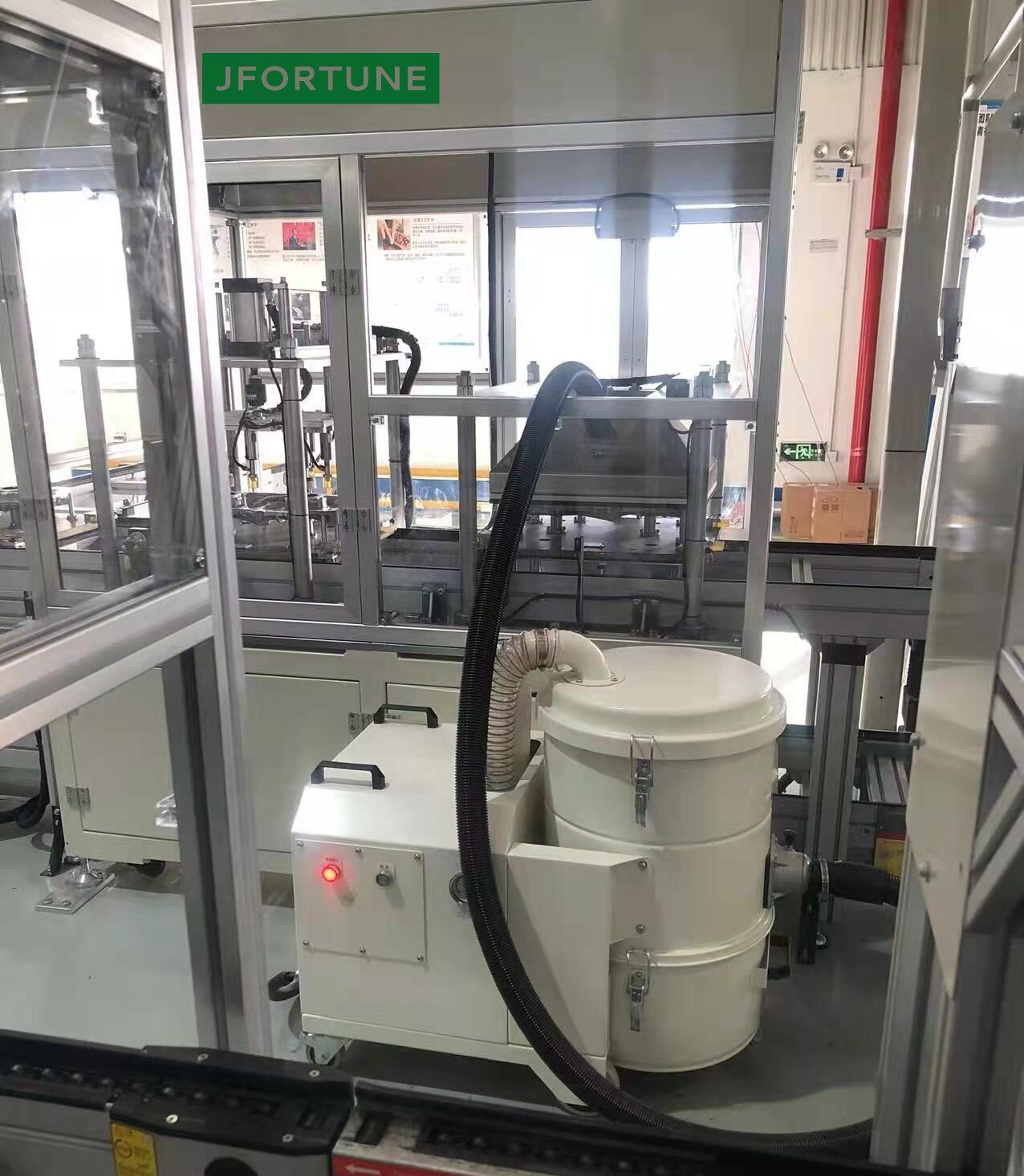
Caption: Compact design for sites.
For details, see product categories.
Expert says, "Jfurther's customization makes them ideal for specific needs."
These recommendations fit floor preparation perfectly. Choose Jfurther for quality. (Word count: 378)